
The Ofsted framework now has a stand-alone section that assesses the quality of your school’s ‘professional learning and expertise’.
Under the previous framework, CPD was not inspected in its own right, though it was touched upon in the leadership and management section. Now though, inspectors coming to your school will assess whether or not you are meeting this requirement.
They’ll want to see that your CPD is deliberate, evidence-informed, sustainable and aligned to your school improvement priorities.
Even for leaders well-versed in effective staff development, the changes may be daunting – for the first time, your CPD provision will be subject to inspection.
One of the ways we can help you respond to these changes meaningfully is with our new series of free and low cost supportive resources.

The changes are significant, the timeline is tight, and the requirement to evidence your approach is new. We’ve heard from many leaders that it feels overwhelming.
We’re here to help. We’ve designed a series of short online learning modules and free downloadable tools to help you tackle this systematically; building from the foundations through to strategic planning, evaluation, and evidence-informed practice. You don’t need to do all of them at once. Start with what matters most to your context, then build from there.
At the Teacher Development Trust, we’ve had over a decade of experience working with over 500 schools to review and improve their professional learning provision. We support teachers and leaders to develop their confidence, skills and expertise in professional development. We help leaders invest their CPD resources wisely.
Access and share resources to support you develop coherence, collaboration, impact, strategic leadership, and using evidence in professional learning
Low cost options that will support you to learn about principles and frameworks you can use to implement professional learning that meets the Ofsted guidance
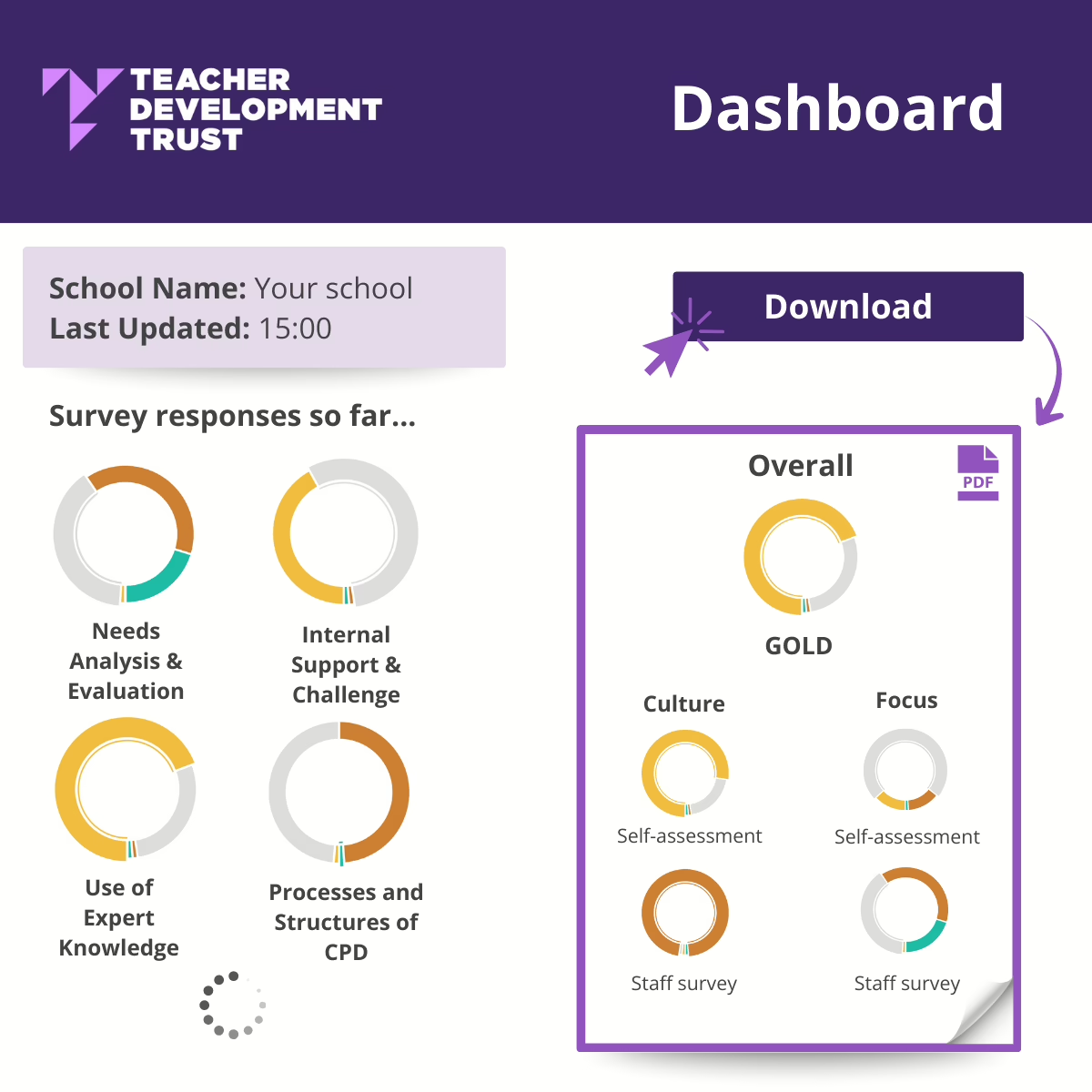
Coming Soon - based on our full Diagnostic Review, use our online tool to survey staff and capture an overview of where your professional learning programme is meeting best practice and where development is needed
Evidence the strengths of your professional learning programme and gain a deep understanding of any weaknesses through our diagnostic review and report process - trusted by over 500 schools.
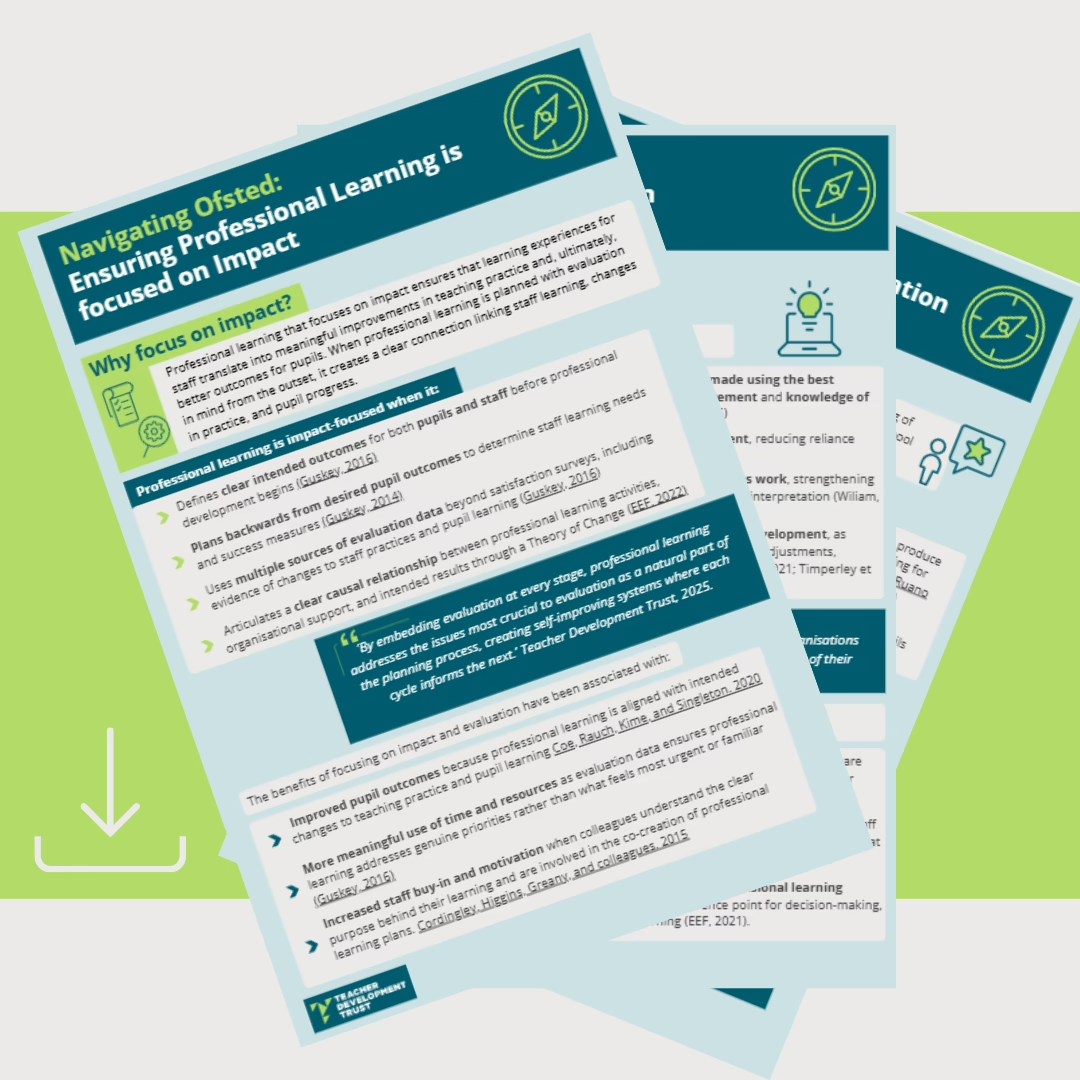
Our new Navigating Ofsted resources give you a solid place to start when it comes to the new framework.
From understanding what makes a “coherent programme of professional learning” and why it’s important, to beginning to implement impact-focused evaluation in your CPD programme, they provide evidence-based support you can download, share, print, and keep.
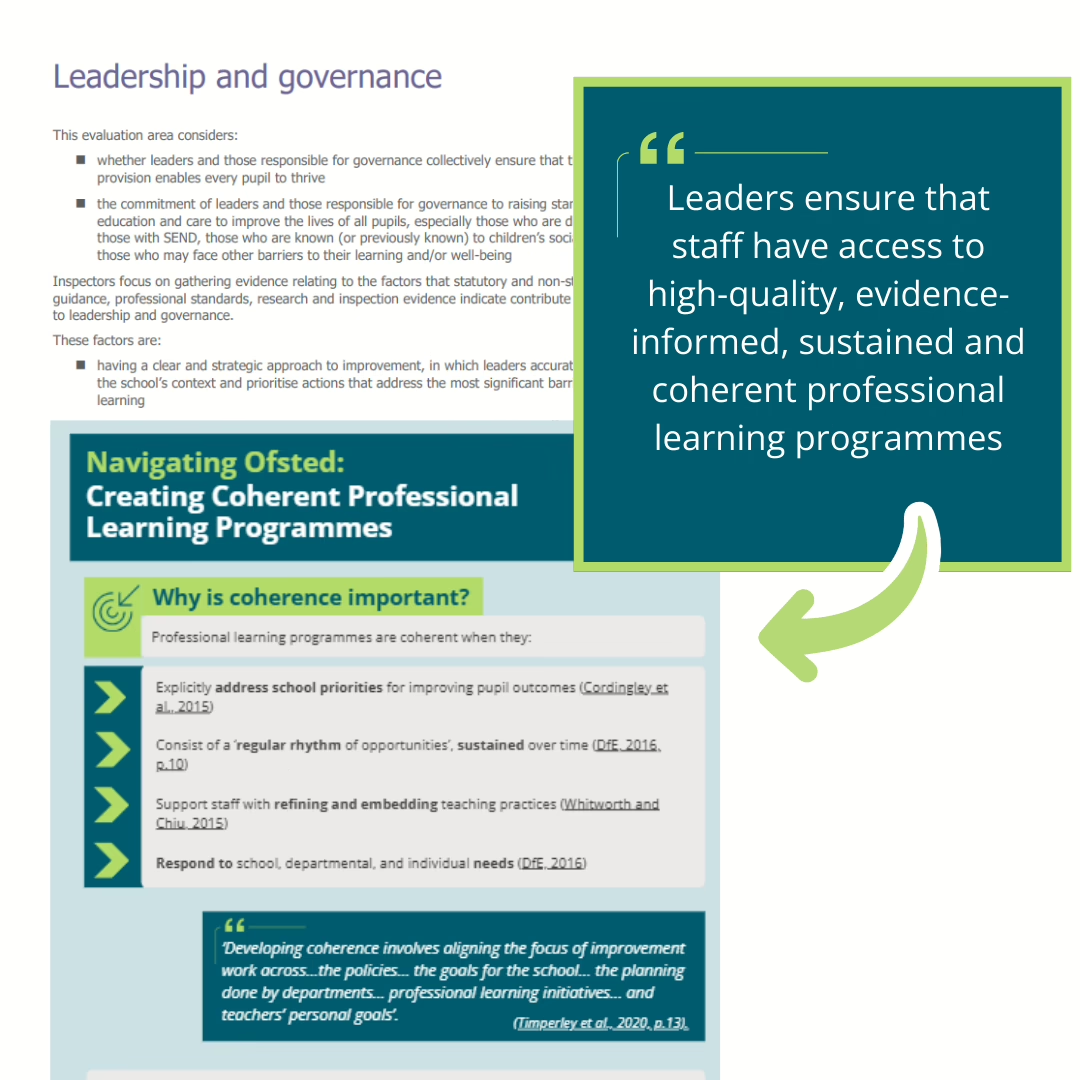
‘Leaders ensure that staff have access to high-quality, evidence-informed, sustained and coherent professional learning programmes that build expertise and are aligned to balance the priorities of whole-school improvement, subjects/teams/phases and individual needs’
Ofsted State-funded schools inspection toolkit (2025, p.75)
What does a coherent professional learning plan look like? And why is it important to have one? The new Ofsted toolkit has several references in “Coherence” when it comes to professional learning. This is vital to consider if you’re not clear on how your various CPD efforts fit together, or how they align with your school’s key priorities for meeting pupil outcomes and staff needs.
Our free new resource: “Creating Coherent Professional Learning Programmes” dives into this area more, including:
If you’re ready to explore how to build coherence in your specific context, our 90-minute Interactive Learning Module “Planning Continuous Professional Development” supports practical shifts to help your CPD efforts work together rather than compete for energy and time. You’ll explore how priorities translate into learning activities; how to protect time and how different elements reinforce each other.
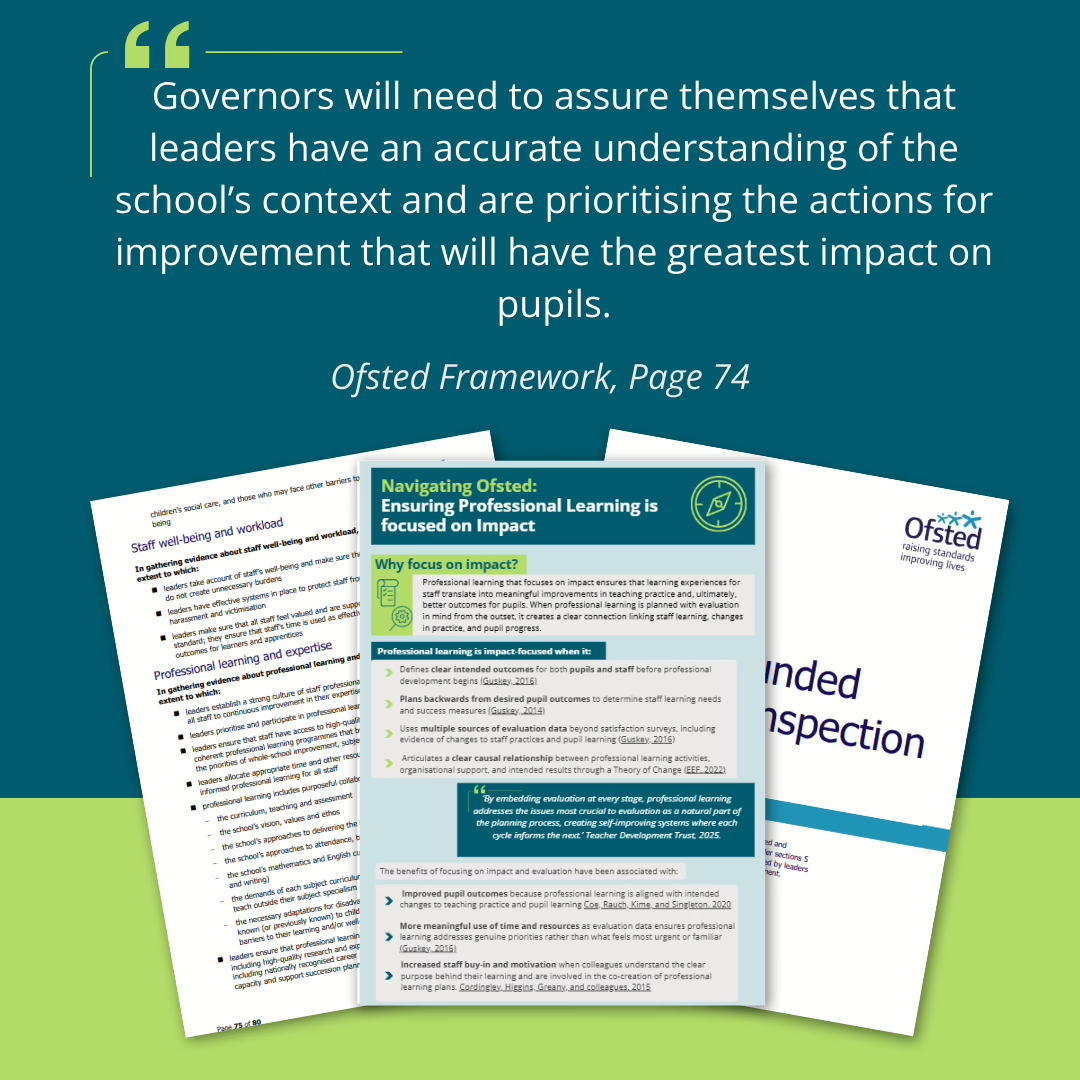
‘Governors will need to assure themselves that leaders have an accurate understanding of the school’s context and are prioritising the actions for improvement that will have the greatest impact on pupils.’
Ofsted State-funded schools inspection toolkit(2025, p.74)
If you’re not sure whether CPD is having a real impact on teaching and learning at your school, you’re not alone. A surprising ⅓ of teachers and leaders in our recent survey reported that professional development had not clearly improved their ability to perform their job.
This makes evaluating the impact of professional learning an urgent priority. As well as impact on pupils now being specified in Ofsted guidelines, if CPD is using valuable time and budget, it’s worthwhile ensuring that your programme is genuinely helping staff and pupils.
Our downloadable resource “Ensuring Professional Learning is focused on Impact” includes:
If you’re ready to start implementing changes to your approach, our 90-minute Interactive Learning Module explores this subject in more depth. With “Planning Evaluation-Informed Professional Development”, you’ll discover how to think about evaluation differently, as something that shapes what you choose to invest in. You’ll also learn how to gather the evidence that matters to governors, to inspectors, and to you: so you can be confident about where to put your energy next.
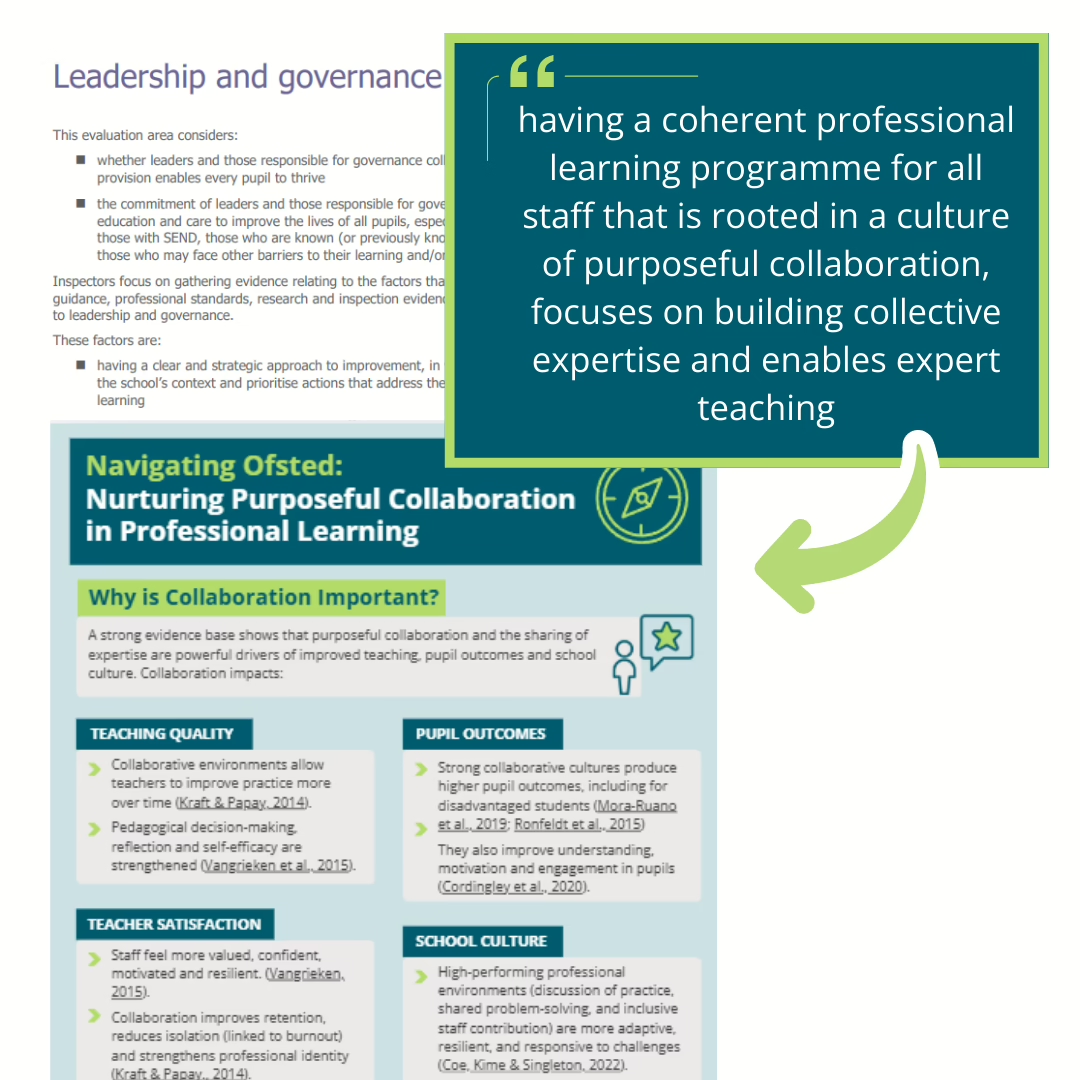
‘Having a coherent professional learning programme for all staff that is rooted in a culture of purposeful collaboration, focusing on building collective expertise and enables expert teaching across all subject and phases’
Ofsted State-funded schools inspection toolkit (2025, p.75)
If you’ve noticed that teaching quality widely varies across your school, or that teachers aren’t confident openly discussing what is and isn’t working for them, exploring strategies for collaboration is the key.
Knowing that teachers thrive when they openly share practice and discuss ideas is one thing, but understanding how to purposefully create this culture is another. Our new resource, “Nurturing Purposeful Collaboration”, includes:
When you’re ready to try a new approach, our Online Learning Module “Leveraging Internal Expertise and Knowledge Sharing” builds on the above, guiding you to work through moving from superficial sharing, to diagnosing the culture issues that underpin your challenges, and implementing structured models to help you do things differently.
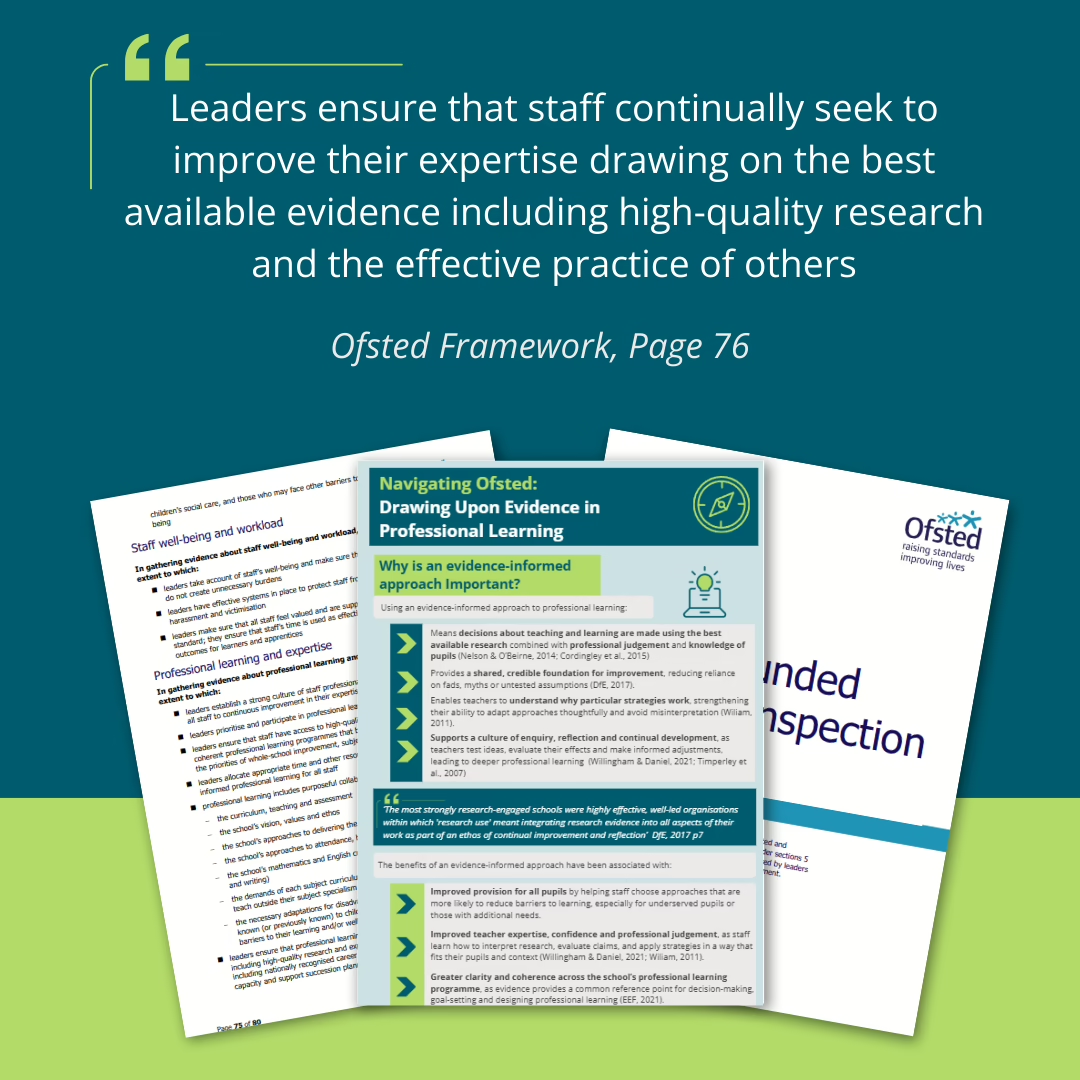
‘Leaders ensure that staff continually seek to improve their expertise drawing on the best available evidence including high-quality research and the effective practice of others’
Ofsted State-funded schools inspection toolkit (2025, p.76)
When “evidence-based” has become a buzzword and when teachers are weary of new initiatives which promise everything but fizzle out over time, it can feel impossible to find and implement professional learning strategies which really are based on the research of what works.
However, Ofsted now expects “evidence-informed professional learning. We also know that when professional learning draws on credible evidence, and when that evidence is curated and presented accessibly, staff are more likely to engage, because they can trust the approach is grounded in something tested, not fashionable.
We introduce you to this approach to using educational research in our new resource “Drawing upon evidence in professional learning”. It includes:
Our Online Learning Module “Using Research in Professional Development” is the ideal next step in applying the theory to practice. This 90 minute, self-paced module will guide you through approaching research strategically, curating it carefully, and embedding it into existing structures.
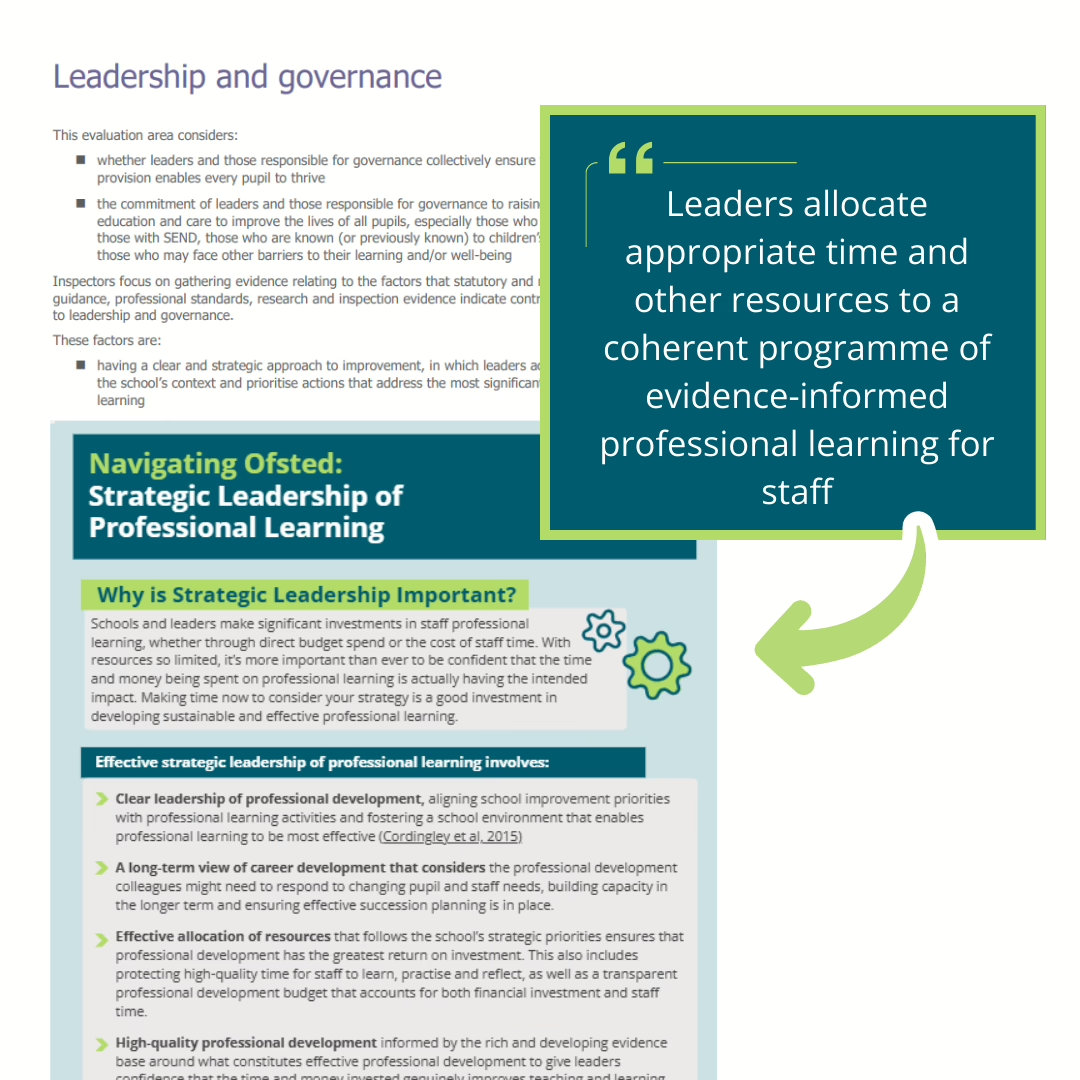
‘Leaders allocate appropriate time and other resources to a coherent programme of evidence-informed professional learning for staff’
Ofsted State-funded schools inspection toolkit (2025, p.75)
The “Professional learning and expertise” section of the Ofsted framework as a whole puts new expectations on those leading professional learning within a school or a team.
With resources so limited, it’s more important than ever to be confident that the time and money being spent on professional learning is actually having the intended impact. Making time to consider your strategy is a good investment in developing sustainable and effective professional learning.
Our free new resource “Strategic Leadership of Professional Learning” includes:
When you’re ready to make a new plan for professional learning, our Online Learning Module, “Planning Strategically for Professional Development” will support you to plan high-quality professional development that aligns with school priorities and measures impact.
If you want to deeply understand and evidence the coherence and impact of your professional learning provision on teaching quality and outcomes for pupils, a Diagnostic Review as part of our Building Expert Schools Programme is for you.
We’ve worked with over 500 schools across the country to help them pause and complete an objective review of CPD, with ongoing coaching to implement change.
What does the new Ofsted Inspection Framework mean for your CPD? Find out with our new podcast episode exploring the impact of Ofsted’s latest framework. What are Ofsted looking for? What are the pitfalls? And how can schools avoid them?

Join us to explore how leaders can tap into the power of great CPD and create cultures of professional growth that inspire joy and agency.
A one-day collaborative conference bringing together anyone interested in making staff development in education count.